



Our Goals
While our sustainability efforts are constantly evolving, our vision remains consistent — to be the most respected company in our industry and to help create a brighter future for our team members. We take pride in being a trusted part of family meals around the world, and we are dedicated to continually improving our processes to achieve both our global and regional sustainability goals.
On Track
Reduce Scope 1 & 2 emissions intensity (tCO₂e/t of finished product) by 30% by 2030 (2019 baseline)
Progress:
22.3% reduction in Scope 1 & 2 GHG emission intensity from 2019 to 2025
On Track
Reduce Scope 1 & 2 emissions intensity (tCO₂e/t of finished product) by 30% by 2030 (2019 baseline)
Progress:
22.3% reduction in Scope 1 & 2 GHG emission intensity from 2019 to 2025
On Track
Reduce Scope 1 & 2 emissions intensity (tCO₂e/t of finished product) by 30% by 2030 (2019 baseline)
Progress:
22.3% reduction in Scope 1 & 2 GHG emission intensity from 2019 to 2025
On Track
Reduce Scope 1 & 2 emissions intensity (tCO₂e/t of finished product) by 70% across Pilgrim's processing facilities by 2050 (2019 baseline)
Progress:
22.7% reduction in Scope 1 & 2 GHG emission intensity across Pilgrim's processing facilities from 2019 to 2025
On Track
Reduce Scope 1 & 2 emissions intensity (tCO₂e/t of finished product) by 70% across Pilgrim's processing facilities by 2050 (2019 baseline)
Progress:
22.7% reduction in Scope 1 & 2 GHG emission intensity across Pilgrim's processing facilities from 2019 to 2025
On Track
Reduce Scope 1 & 2 emissions intensity (tCO₂e/t of finished product) by 70% across Pilgrim's processing facilities by 2050 (2019 baseline)
Progress:
22.7% reduction in Scope 1 & 2 GHG emission intensity across Pilgrim's processing facilities from 2019 to 2025
On Track
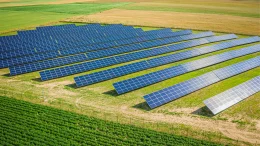
Reach 60% renewable electricity by 2030
Progress:
14.3% of the total electricity used in our global operations was renewable in 2025
On Track
Reach 60% renewable electricity by 2030
Progress:
14.3% of the total electricity used in our global operations was renewable in 2025
On Track
Reach 60% renewable electricity by 2030
Progress:
14.3% of the total electricity used in our global operations was renewable in 2025
Opportunity
Reduce water use intensity (m3/t of finished product) by 15% by 2030 (2019 baseline)
Progress:
8.3% increase from 2019 to 2025
Opportunity
Reduce water use intensity (m3/t of finished product) by 15% by 2030 (2019 baseline)
Progress:
8.3% increase from 2019 to 2025
Opportunity
Reduce water use intensity (m3/t of finished product) by 15% by 2030 (2019 baseline)
Progress:
8.3% increase from 2019 to 2025
On Track
Reduce Scope 1 & 2 emissions intensity (tCO₂e/t of finished product) by 30% by 2030 (2019 baseline)
Progress:
22.3% reduction in Scope 1 & 2 GHG emission intensity from 2019 to 2025
On Track
Reduce Scope 1 & 2 emissions intensity (tCO₂e/t of finished product) by 30% by 2030 (2019 baseline)
Progress:
22.3% reduction in Scope 1 & 2 GHG emission intensity from 2019 to 2025
On Track
Reduce Scope 1 & 2 emissions intensity (tCO₂e/t of finished product) by 30% by 2030 (2019 baseline)
Progress:
22.3% reduction in Scope 1 & 2 GHG emission intensity from 2019 to 2025
On Track
Reduce Scope 1 & 2 emissions intensity (tCO₂e/t of finished product) by 70% across Pilgrim's processing facilities by 2050 (2019 baseline)
Progress:
22.7% reduction in Scope 1 & 2 GHG emission intensity across Pilgrim's processing facilities from 2019 to 2025
On Track
Reduce Scope 1 & 2 emissions intensity (tCO₂e/t of finished product) by 70% across Pilgrim's processing facilities by 2050 (2019 baseline)
Progress:
22.7% reduction in Scope 1 & 2 GHG emission intensity across Pilgrim's processing facilities from 2019 to 2025
On Track
Reduce Scope 1 & 2 emissions intensity (tCO₂e/t of finished product) by 70% across Pilgrim's processing facilities by 2050 (2019 baseline)
Progress:
22.7% reduction in Scope 1 & 2 GHG emission intensity across Pilgrim's processing facilities from 2019 to 2025
On Track
Reach 60% renewable electricity by 2030
Progress:
14.3% of the total electricity used in our global operations was renewable in 2025
On Track
Reach 60% renewable electricity by 2030
Progress:
14.3% of the total electricity used in our global operations was renewable in 2025
On Track
Reach 60% renewable electricity by 2030
Progress:
14.3% of the total electricity used in our global operations was renewable in 2025
Opportunity
Reduce water use intensity (m3/t of finished product) by 15% by 2030 (2019 baseline)
Progress:
8.3% increase from 2019 to 2025
Opportunity
Reduce water use intensity (m3/t of finished product) by 15% by 2030 (2019 baseline)
Progress:
8.3% increase from 2019 to 2025
Opportunity
Reduce water use intensity (m3/t of finished product) by 15% by 2030 (2019 baseline)
Progress:
8.3% increase from 2019 to 2025
On Track
Reduce Scope 1 & 2 emissions intensity (tCO₂e/t of finished product) by 30% by 2030 (2019 baseline)
Progress:
22.3% reduction in Scope 1 & 2 GHG emission intensity from 2019 to 2025
On Track
Reduce Scope 1 & 2 emissions intensity (tCO₂e/t of finished product) by 30% by 2030 (2019 baseline)
Progress:
22.3% reduction in Scope 1 & 2 GHG emission intensity from 2019 to 2025
On Track
Reduce Scope 1 & 2 emissions intensity (tCO₂e/t of finished product) by 30% by 2030 (2019 baseline)
Progress:
22.3% reduction in Scope 1 & 2 GHG emission intensity from 2019 to 2025
On Track
Reduce Scope 1 & 2 emissions intensity (tCO₂e/t of finished product) by 70% across Pilgrim's processing facilities by 2050 (2019 baseline)
Progress:
22.7% reduction in Scope 1 & 2 GHG emission intensity across Pilgrim's processing facilities from 2019 to 2025
On Track
Reduce Scope 1 & 2 emissions intensity (tCO₂e/t of finished product) by 70% across Pilgrim's processing facilities by 2050 (2019 baseline)
Progress:
22.7% reduction in Scope 1 & 2 GHG emission intensity across Pilgrim's processing facilities from 2019 to 2025
On Track
Reduce Scope 1 & 2 emissions intensity (tCO₂e/t of finished product) by 70% across Pilgrim's processing facilities by 2050 (2019 baseline)
Progress:
22.7% reduction in Scope 1 & 2 GHG emission intensity across Pilgrim's processing facilities from 2019 to 2025
On Track
Reach 60% renewable electricity by 2030
Progress:
14.3% of the total electricity used in our global operations was renewable in 2025
On Track
Reach 60% renewable electricity by 2030
Progress:
14.3% of the total electricity used in our global operations was renewable in 2025
On Track
Reach 60% renewable electricity by 2030
Progress:
14.3% of the total electricity used in our global operations was renewable in 2025
Opportunity
Reduce water use intensity (m3/t of finished product) by 15% by 2030 (2019 baseline)
Progress:
8.3% increase from 2019 to 2025
Opportunity
Reduce water use intensity (m3/t of finished product) by 15% by 2030 (2019 baseline)
Progress:
8.3% increase from 2019 to 2025
Opportunity
Reduce water use intensity (m3/t of finished product) by 15% by 2030 (2019 baseline)
Progress:
8.3% increase from 2019 to 2025
* Safety Index = Number of severe work-related injuries multiplied by 200,000, divided by the total hours worked by our own workforce.
Our strategy mirrors our supply chain connections and serves as the overarching framework through which all our sustainability programs and initiatives are developed.

People & Partnerships
The success of our company starts with our people. We focus on providing a safe and well-managed workplace that presents the best opportunities for our team members to thrive. Pilgrim’s also works closely with our value chain and community partners to help build a better food system.
People & Partnerships
The success of our company starts with our people. We focus on providing a safe and well-managed workplace that presents the best opportunities for our team members to thrive. Pilgrim’s also works closely with our value chain and community partners to help build a better food system.
People & Partnerships
The success of our company starts with our people. We focus on providing a safe and well-managed workplace that presents the best opportunities for our team members to thrive. Pilgrim’s also works closely with our value chain and community partners to help build a better food system.

Product Integrity
Animal care and welfare are central to our company culture. Together with our producers and vendors, we focus on the well-being of our poultry and livestock, emphasizing humane treatment at every step. By working with farm partners of all sizes, we strive to offer products that reflect our values of quality and care.
Product Integrity
Animal care and welfare are central to our company culture. Together with our producers and vendors, we focus on the well-being of our poultry and livestock, emphasizing humane treatment at every step. By working with farm partners of all sizes, we strive to offer products that reflect our values of quality and care.
Product Integrity
Animal care and welfare are central to our company culture. Together with our producers and vendors, we focus on the well-being of our poultry and livestock, emphasizing humane treatment at every step. By working with farm partners of all sizes, we strive to offer products that reflect our values of quality and care.

Environment
We work to help society address the challenge of sustainability by operating responsibly, improving the efficiency of our processes, and minimizing our environmental footprint.
Environment
We work to help society address the challenge of sustainability by operating responsibly, improving the efficiency of our processes, and minimizing our environmental footprint.
Environment
We work to help society address the challenge of sustainability by operating responsibly, improving the efficiency of our processes, and minimizing our environmental footprint.
“To feed a growing global population, sustainability is not just a goal—it is a guiding principle embedded in every aspect of our business. We will continue to push boundaries, seek innovative solutions, and strive for meaningful impact in all that we do.”
Our Stories
Our Brands